top of page

Emily Brown

Ceramics

3106665866

ARTIST STATEMENT

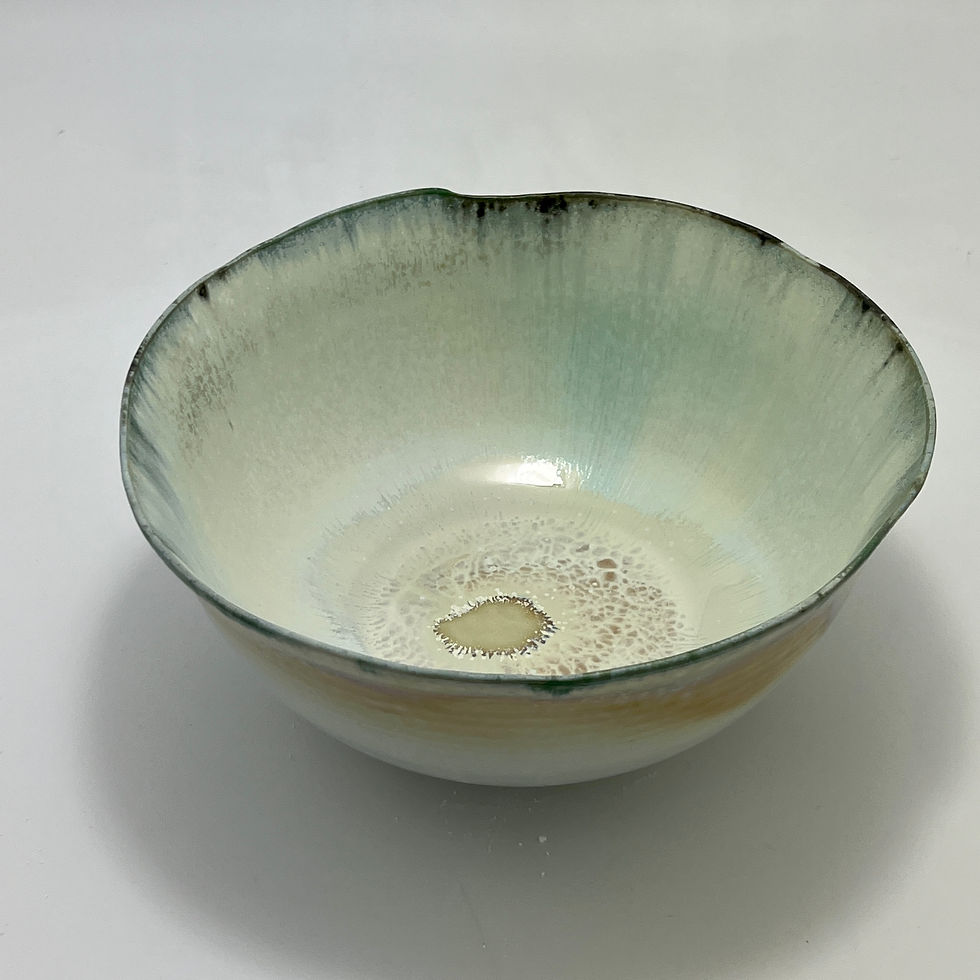
I have been working with clay for over 35 years. Much of my inspiration is derived from the natural beauty of Ojai that surrounds me. Each piece of my pottery is individually hand made on a potters wheel. I use a variety of high fire clay bodies including porcelain and stoneware, and mix my own custom glazes. Most of my pots are fired using a high-fire reduction technique, which means there is a period of time during the firing when the kiln environment is deprived of oxygen, creating unique glaze and clay body effects. As a result, both my artistic pieces and my completely functional table-ware are unique with a form and finish you will find nowhere else.


VIEW THIS ARTIST'S POSTS

My Studio View

Living and working at the base of Ojai's Topatopa bluffs, it is impossible not to be inspired by their majestic faces. This sculptural porcelain vase is my personal interpretation of this iconic Ojai landscape. Now on display at the Ojai Valley Museum, as part of our "As We See It" group exhibit.

Second Saturday Tour this Weekend!

I love having visitors in my studio. There is nothing quite like meeting friends, old and new, and sharing the techniques behind my clay and glazes. Lately, I have been working diligently on a batch of new pieces. In fact, my kiln is firing right now, and I will be unloading it this Friday! Who knows what surprises are waiting inside? I hope you can stop by, see the results, and catch up.

Kiln Magic

This kiln is where the magic happens. I load every pot into it at least twice. The first time, or bisque firing, is after I have thrown, trimmed, and dried the piece. During this firing, water molecules are driven out of the clay, making it completely dehydrated and transforming it into ceramic. Individual clay molecules begin to fuse together, making the piece much stronger, yet still porous enough to absorb glazes. This transformation to "Bisqueware" happens at around °1800. After unloading and glazing the bisqueware, I load it back into the kiln for its second firing, the glaze firing. I gradually increase the kiln temperature every hour. When it gets to about °2200, I start the process of reduction. I restrict the oxygen supply to the kiln to starve the fire and force the atmosphere to pull oxygen from the metal oxides in the glazes and clay body. Reduction alters the glaze's molecular structure, producing dramatic color transformations. The intense heat also causes the clay to mature and the raw glaze materials to melt together. The glaze transforms into a hard surface, binding permanently to the clay and making the piece waterproof and functional. This process takes about 6 hours and reaches an ultimate temperature of about °2300. I have general ideas of what glazes will look like when this process is complete, but I never know for sure. I can't open the kiln for at least 24 hours after firing as it needs to cool slowly. I have fired this kiln hundreds of time, and still wait in anxious anticipation to see what the pots look like. There may be some disasters, or pieces that I consider mediocre. If I'm lucky, I'll pull out something magical.

Studio Time

I am spending some quiet time in my studio this morning revisiting pitchers. Their wheel thrown bodies must be light enough to be usable when they are filled with liquid. The spouts must pour cleanly. The pulled handles should add grace and balance. It is a satisfying exercise in form and functionality.

Subscribe for OSA news

Thanks for subscribing!

Ojai Studio Artists, 1129 Maricopa Hwy 243-B, Ojai  Calif  93023

© All Rights Reserved
bottom of page